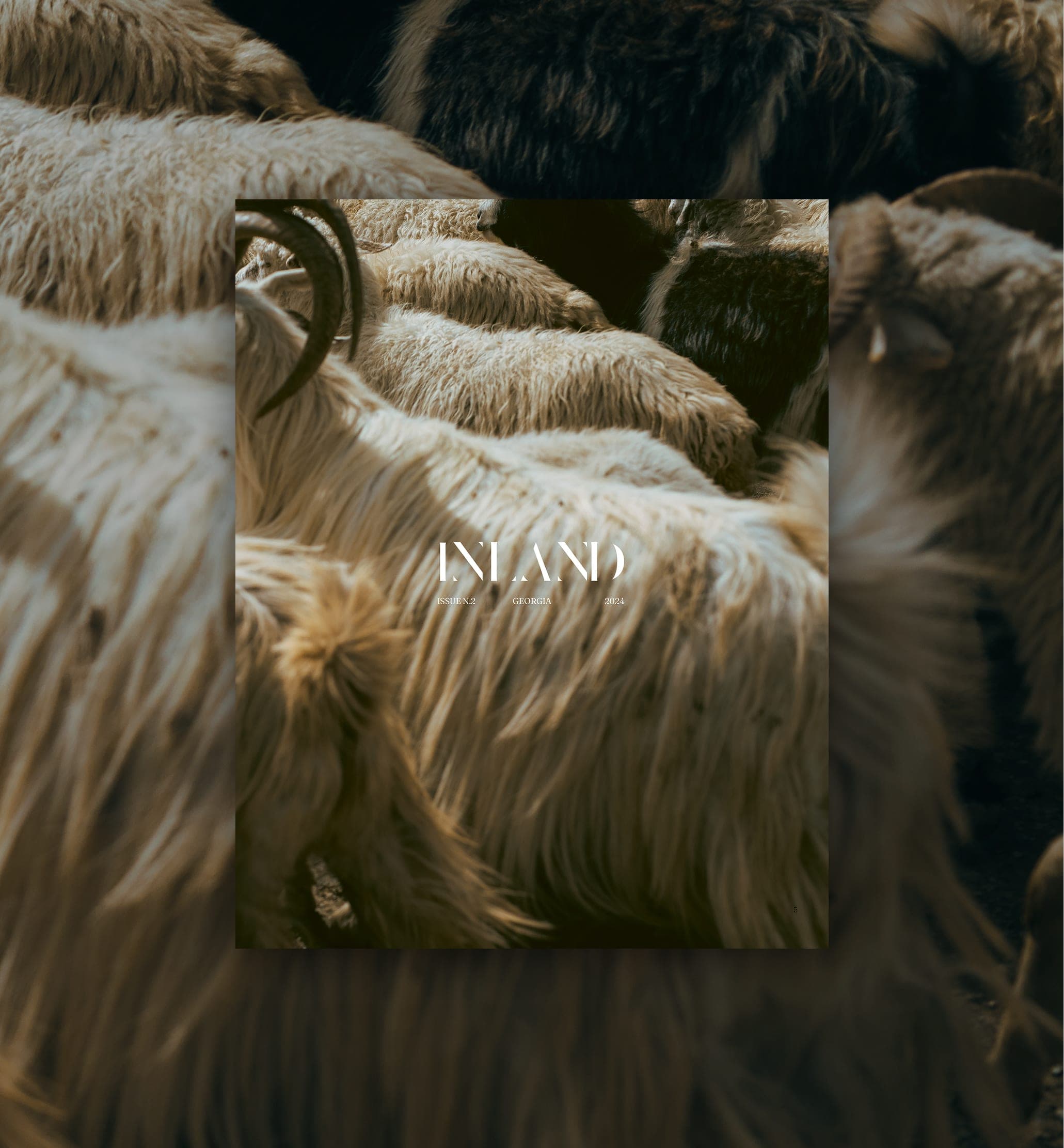
Georgia
This issue approaches Georgia through the lives that give it form: shepherds crossing the Caucasus, families gathered around supra tables in Imereti, minority communities preserving memory, villages marked by exile, and landscapes where bread, labour, and survival remain inseparable. Moving from Tusheti to Vashlovani, Pankisi to Tserovani, the magazine follows stories shaped by migration, faith, agricultural knowledge, war, and endurance across generations. What emerges is not a single definition of Georgia, but a layered portrait of a country negotiating ritual, fracture, and belonging all at once.
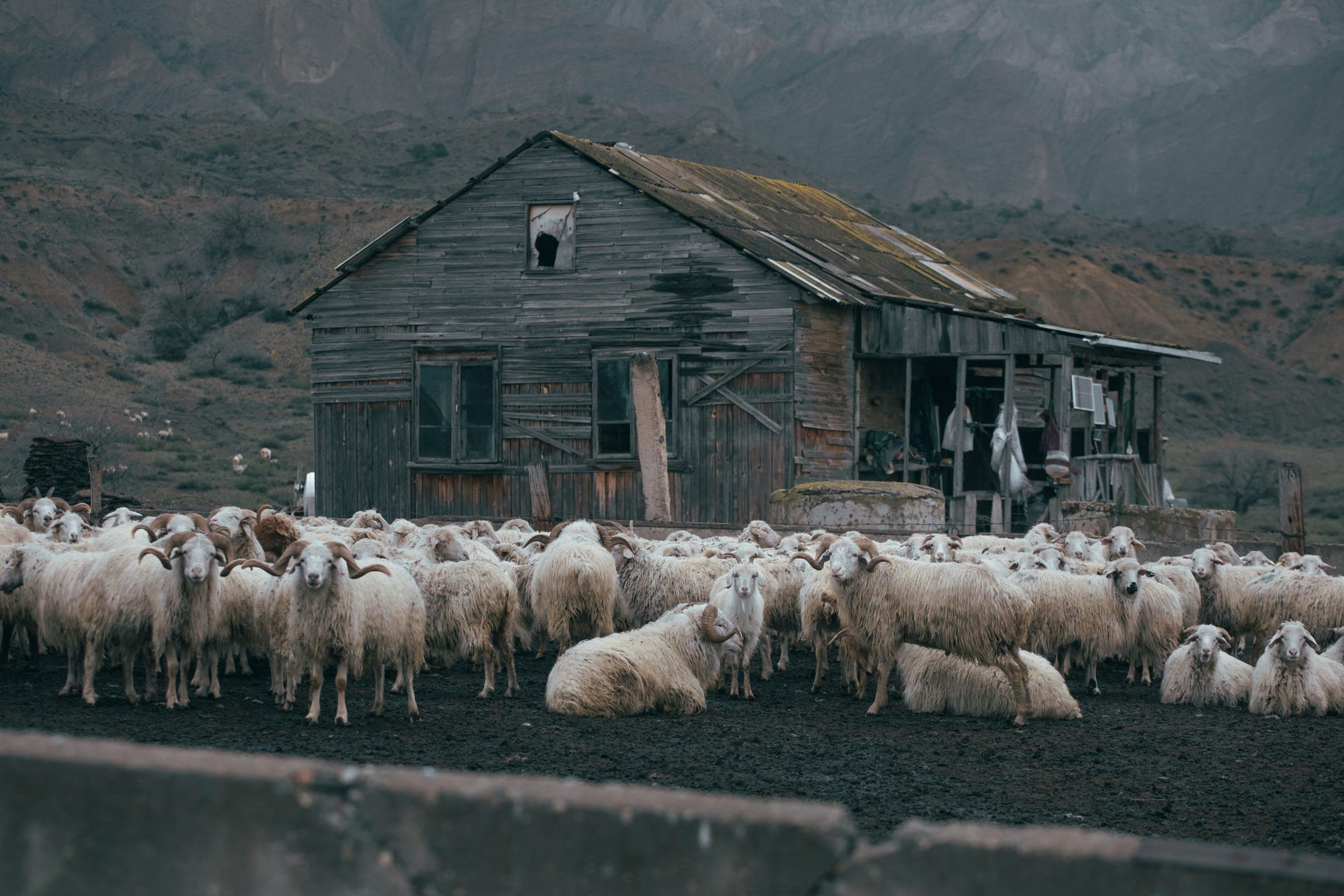
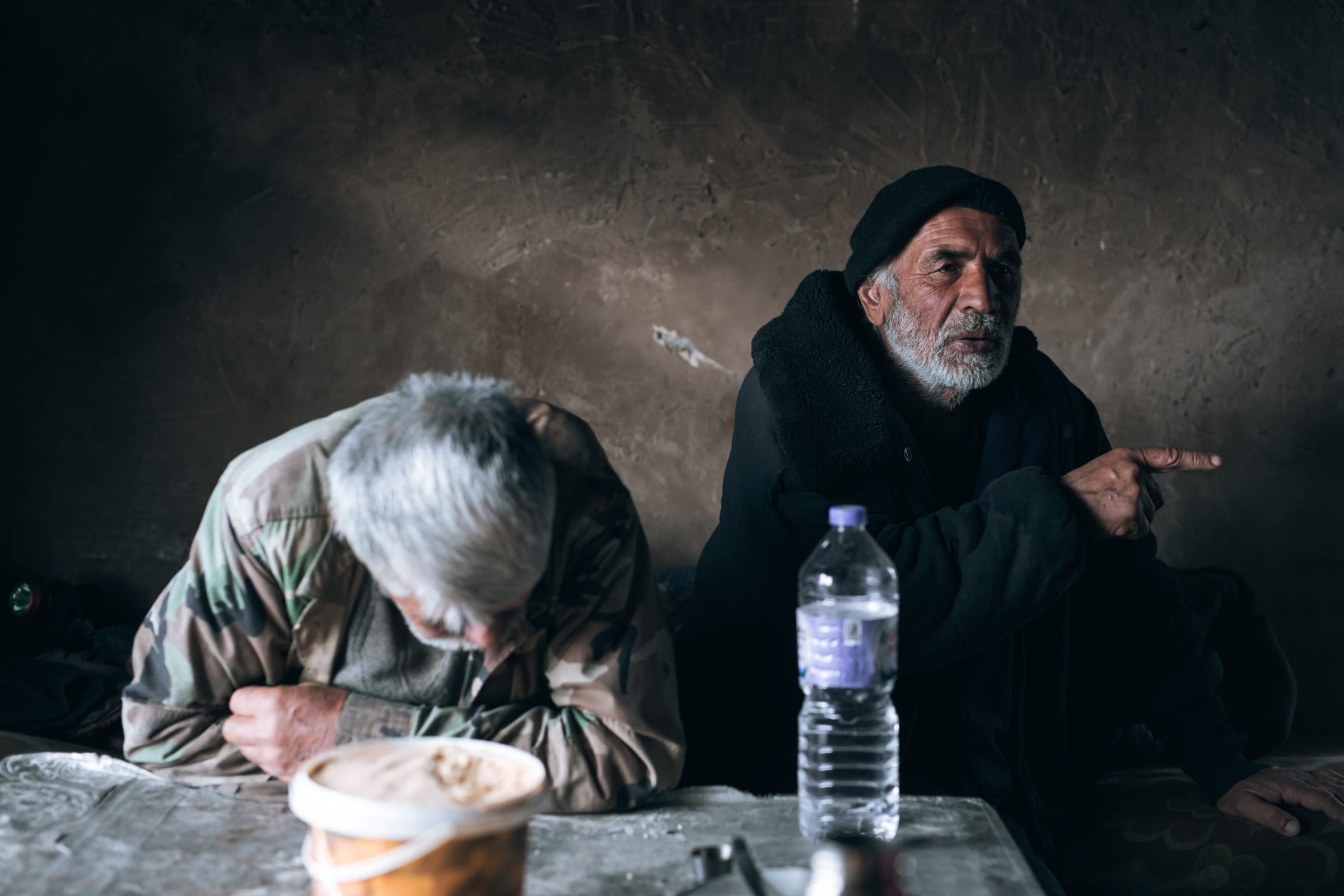
Georgia reveals itself through gestures before arguments: bread torn by hand, wine poured without measure, shepherds crossing the highlands, and doors opened to strangers as if they had been expected all along.
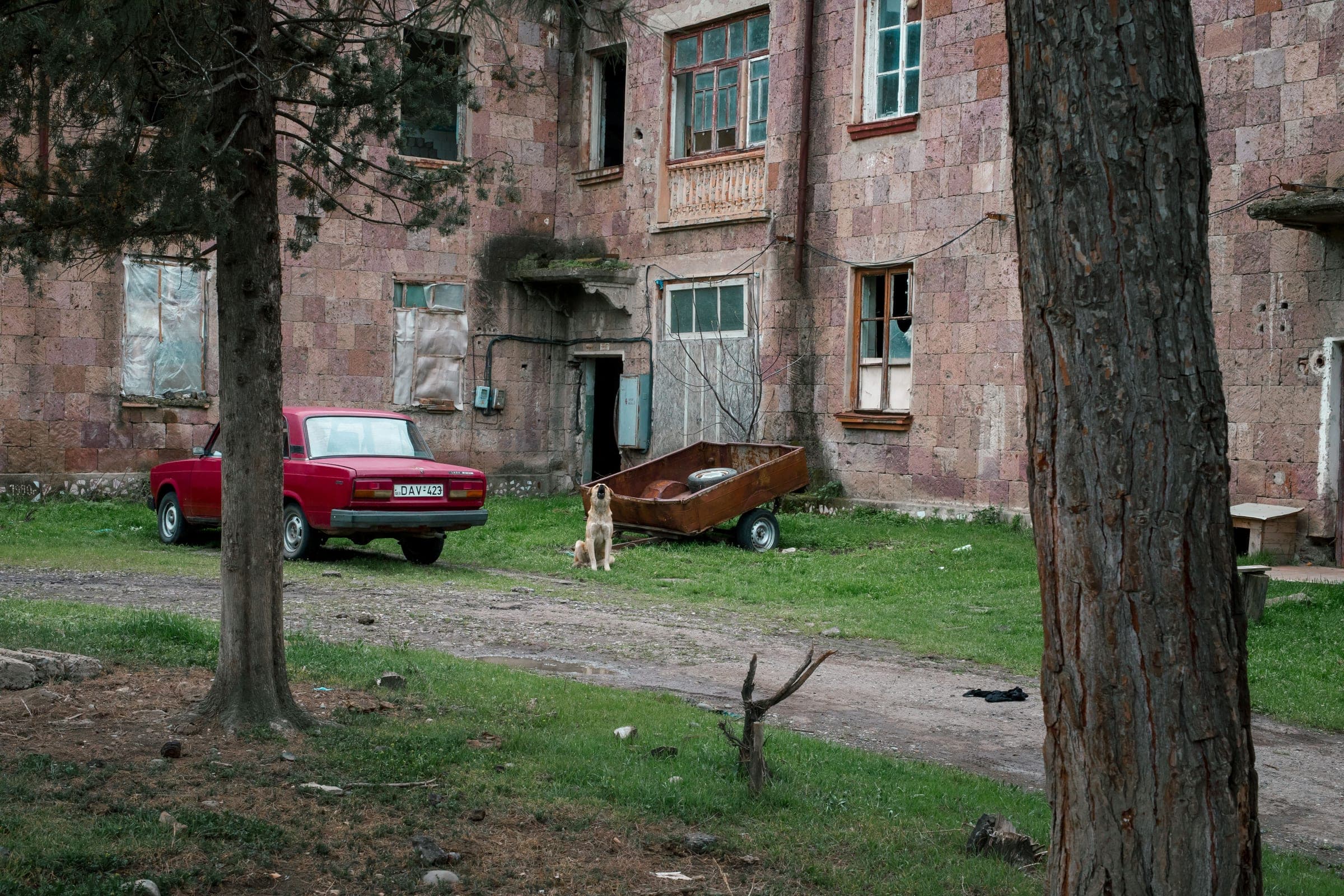
These pages move from Tusheti to Vashlovani, from fertile tables to exposed roads, tracing a country where freedom is still bound to land, distance, and the stubborn act of remaining.
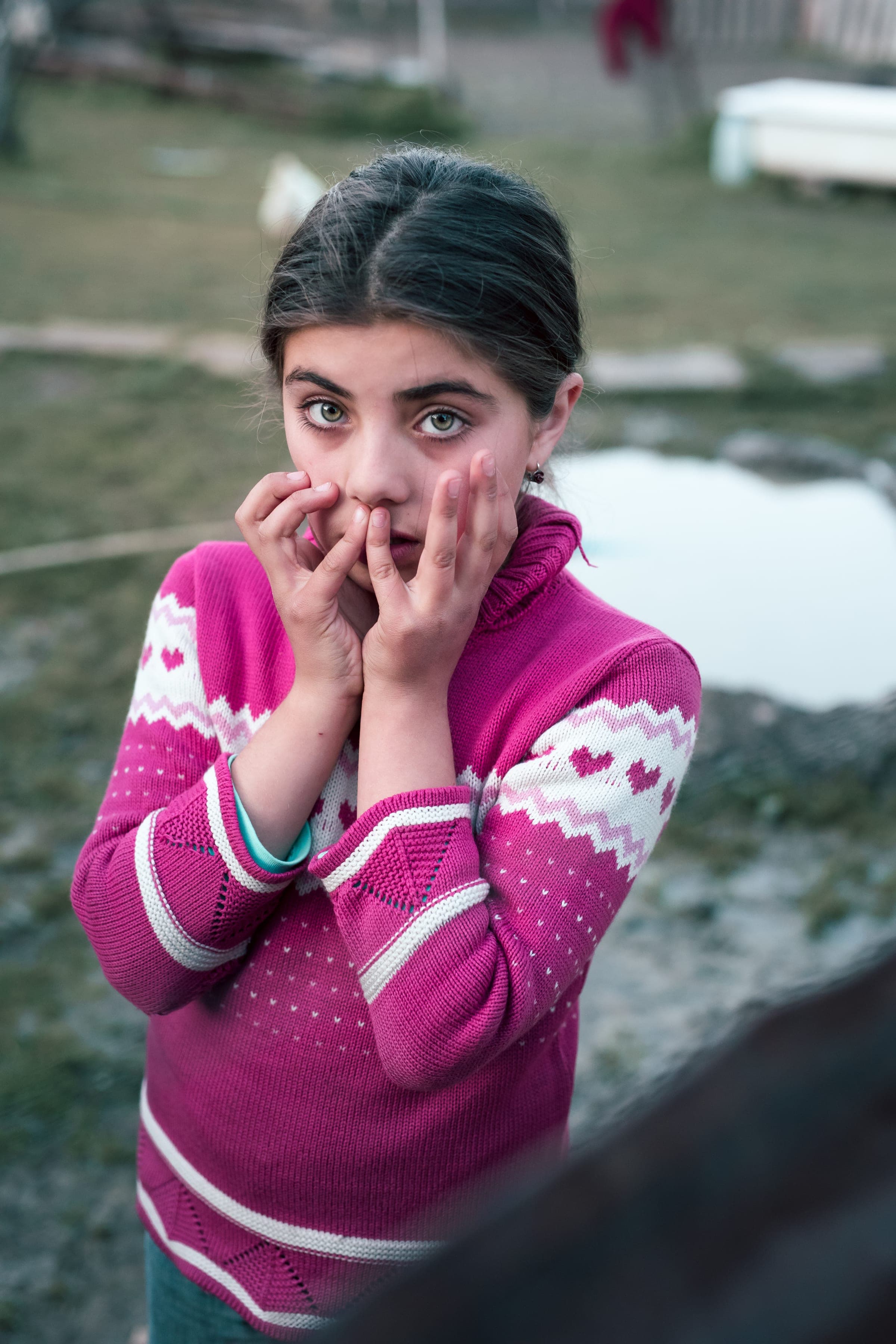
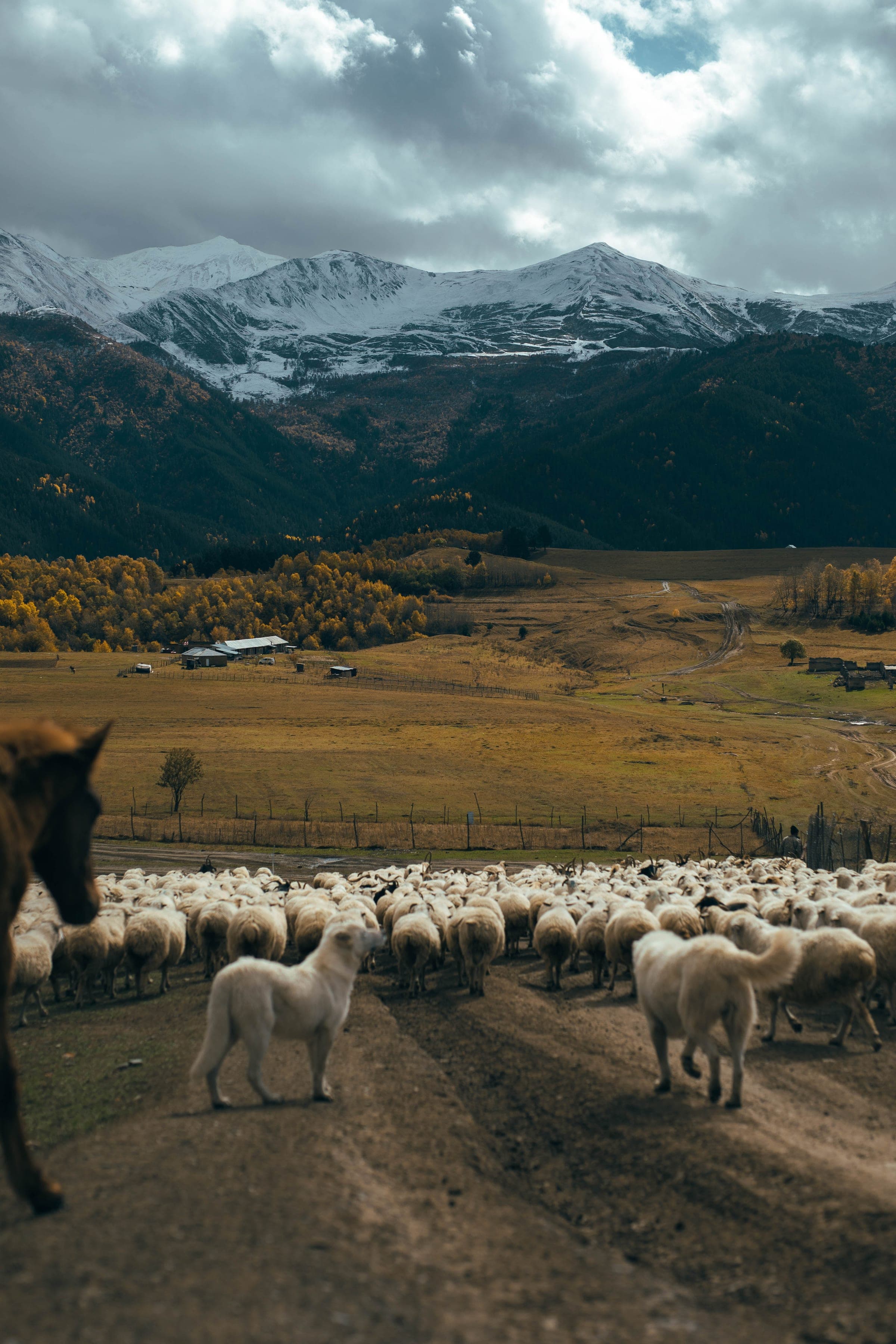
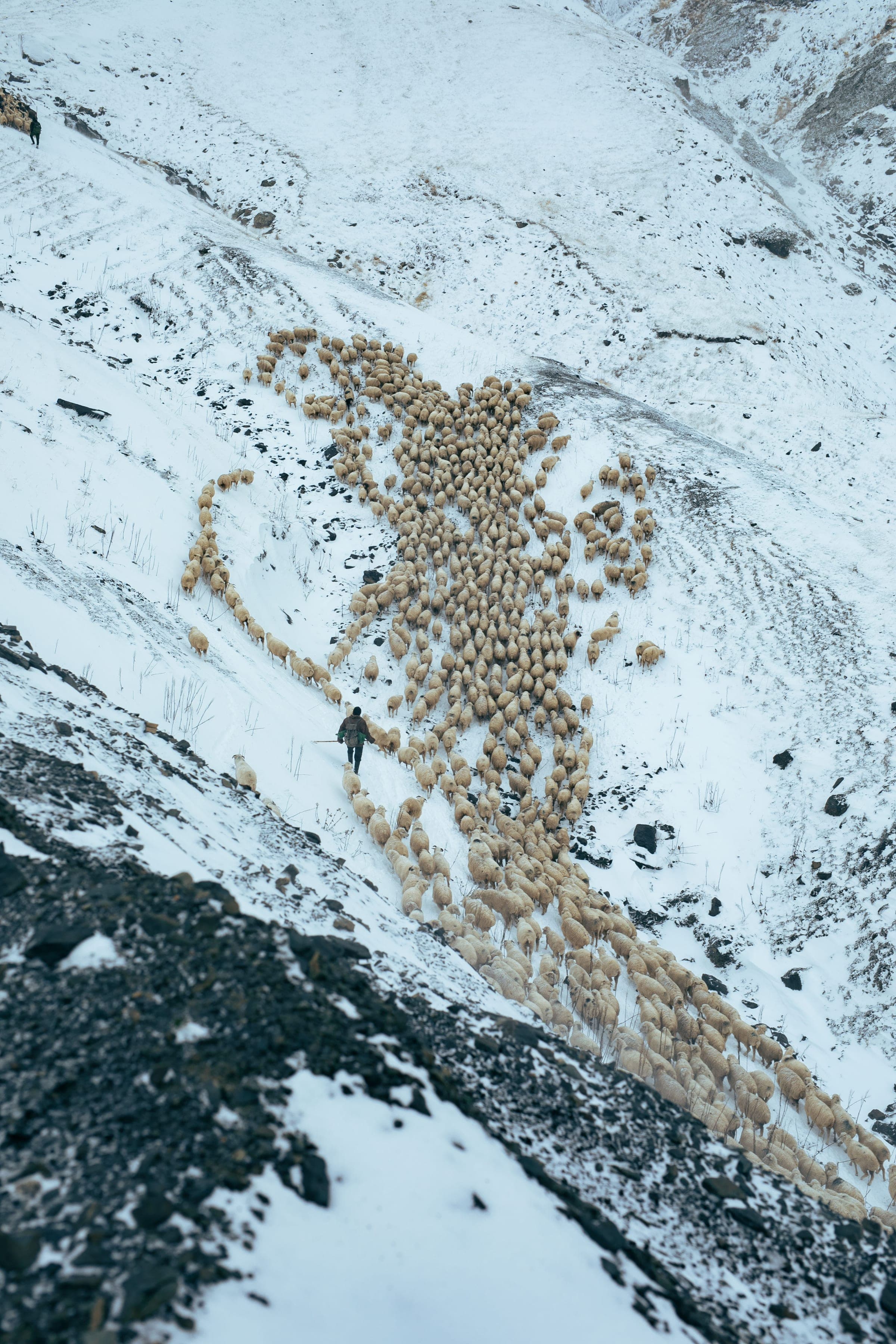

Inside the issue are lives shaped by borderlands and survival: Kists in Pankisi, Doukhobors in Javakheti, families carrying memory across generations, and communities learning how to endure being misread.
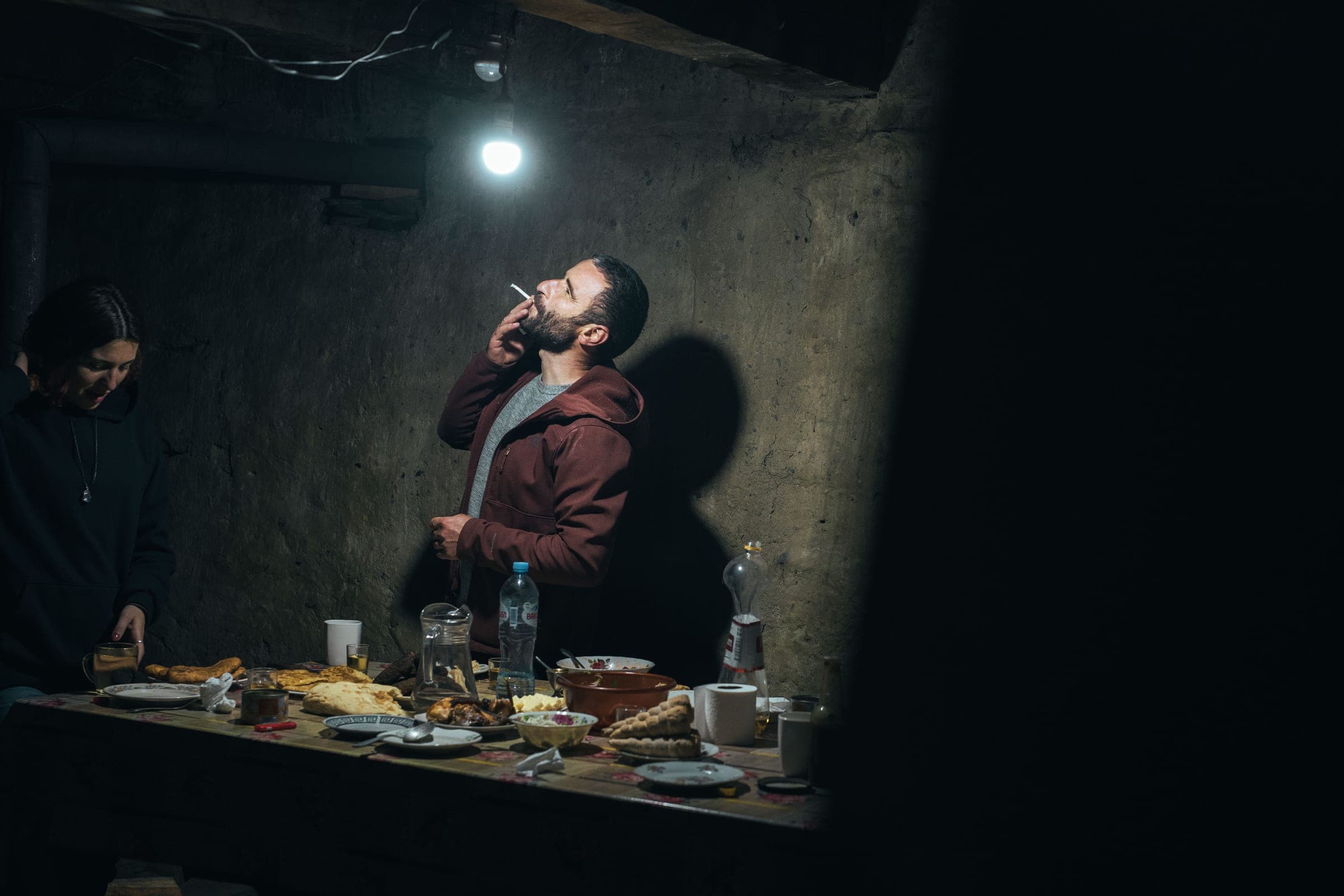

Georgia is also a place of rupture: settlements built after war, landscapes marked by displacement, and a present that keeps negotiating with the unfinished business of exile, violence, and state power.
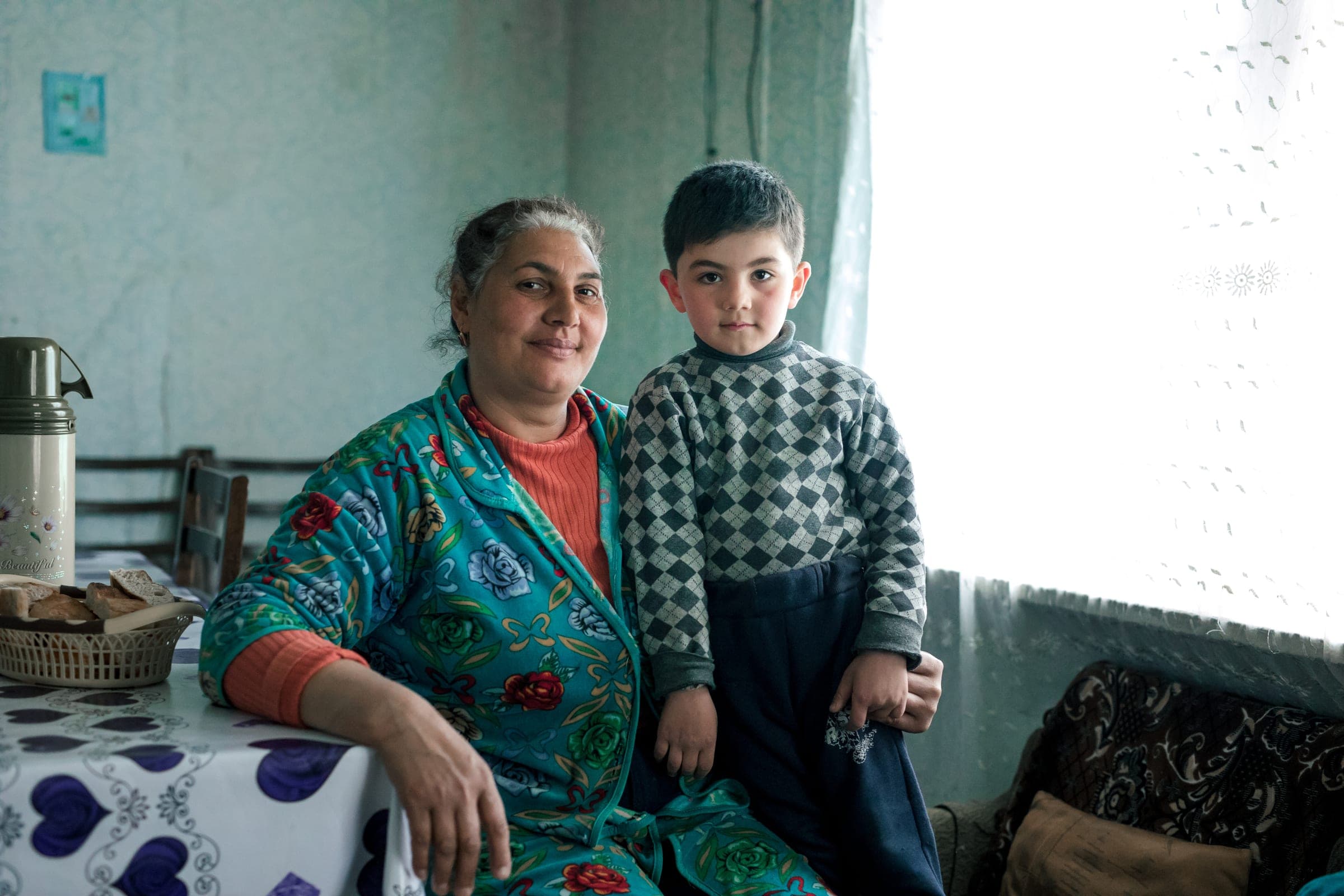
What emerges is not a romantic countryside, but a country at a threshold: held together by ritual, hospitality, labour, and the quiet resilience of people who continue to rebuild meaning from what history leaves behind.