Faroe Islands
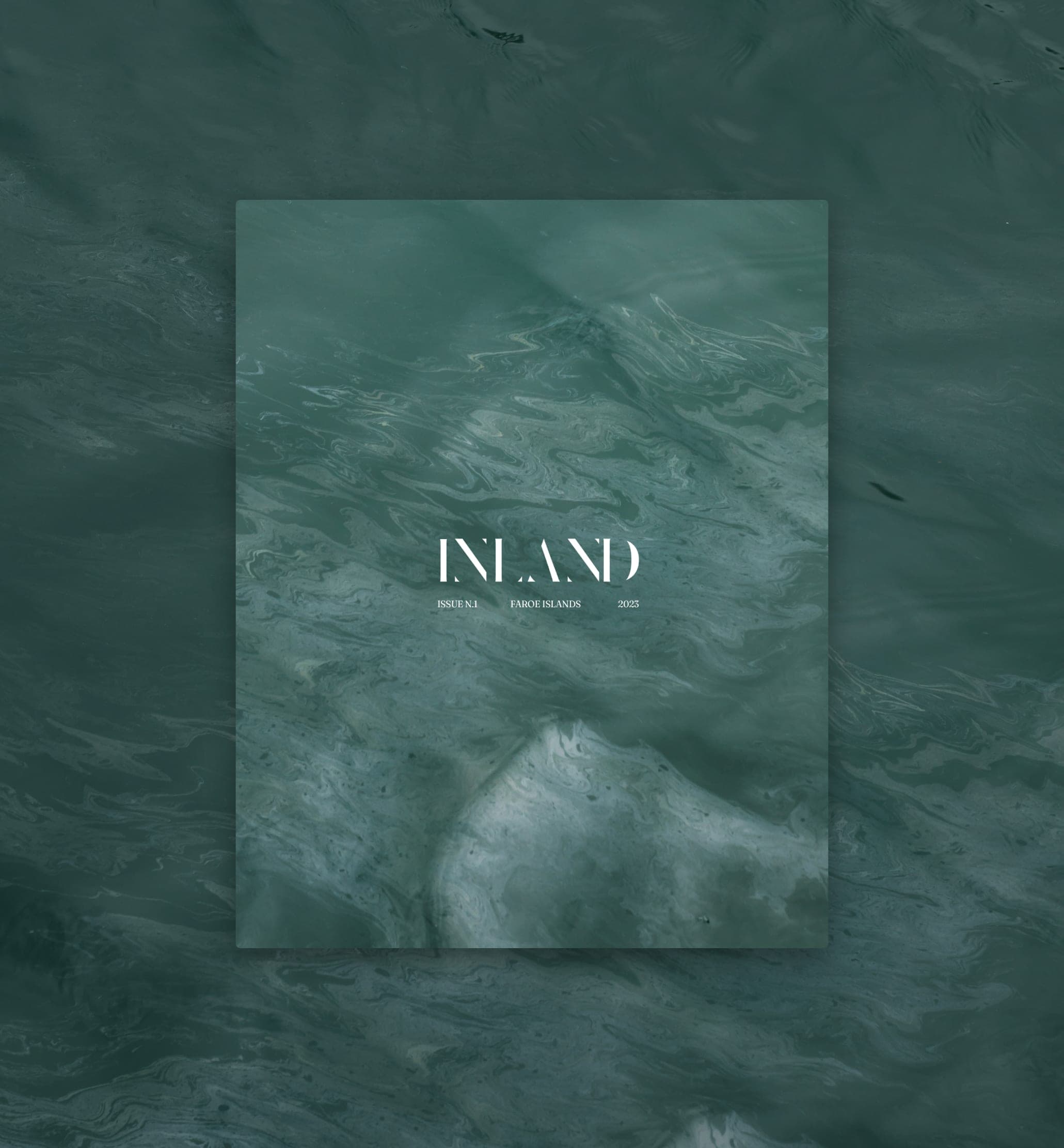
The Faroe Islands are often reduced to remoteness, but life here is far denser than distance suggests. In this issue, we follow fishermen and divers, meet young Faroese voices in politics and music, enter kitchens and harbours, trace the pull of return, and confront the difficult space where tradition, environmental pressure, and cultural identity meet. These stories do not try to explain the Faroes in a single gesture; they reveal a place where labour, language, ritual, and change are constantly shaping one another.
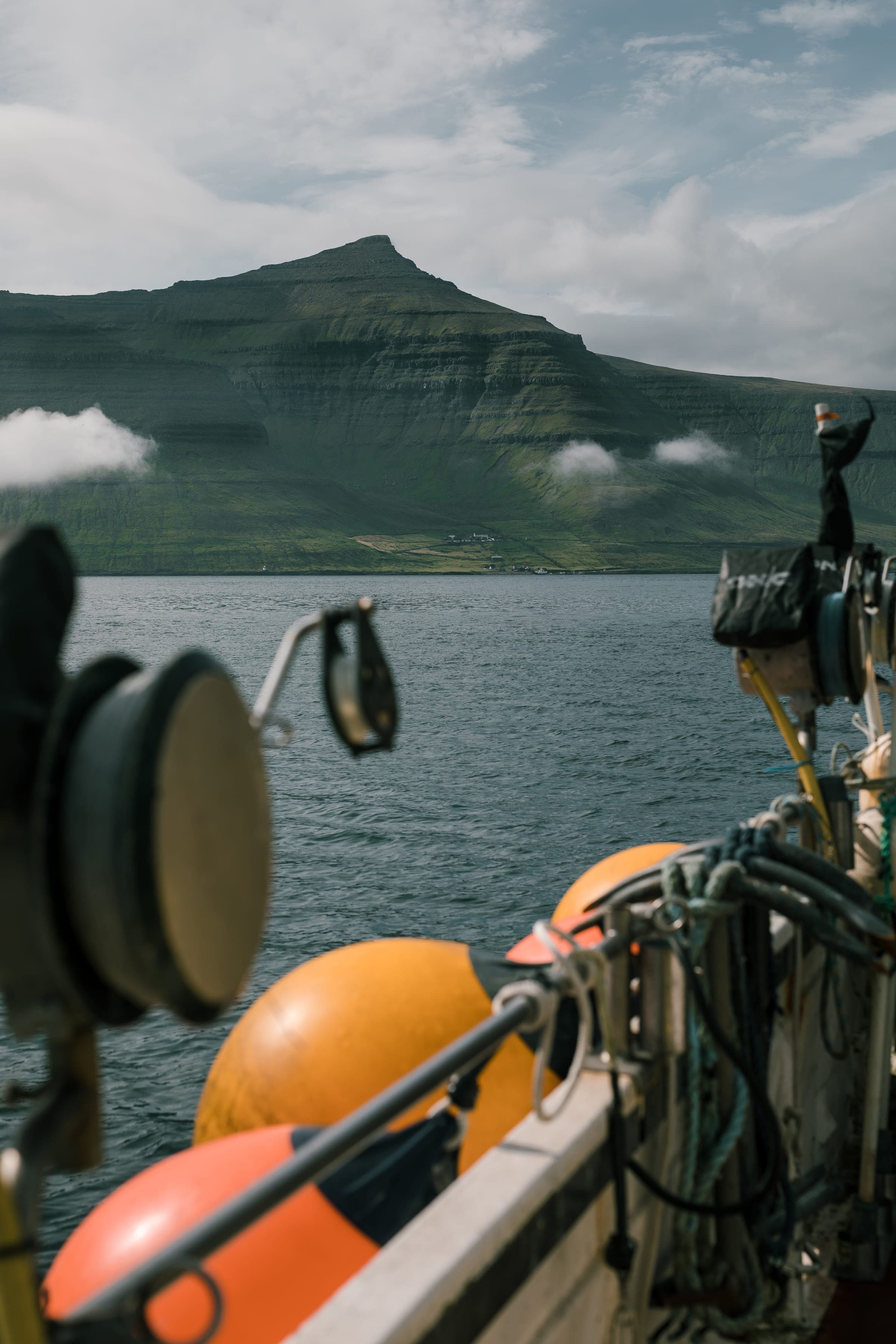
We approached the Faroes through those who inhabit its contradictions: people building futures in a place deeply marked by inheritance, isolation, and return, where everyday life is shaped as much by memory as by weather and sea.
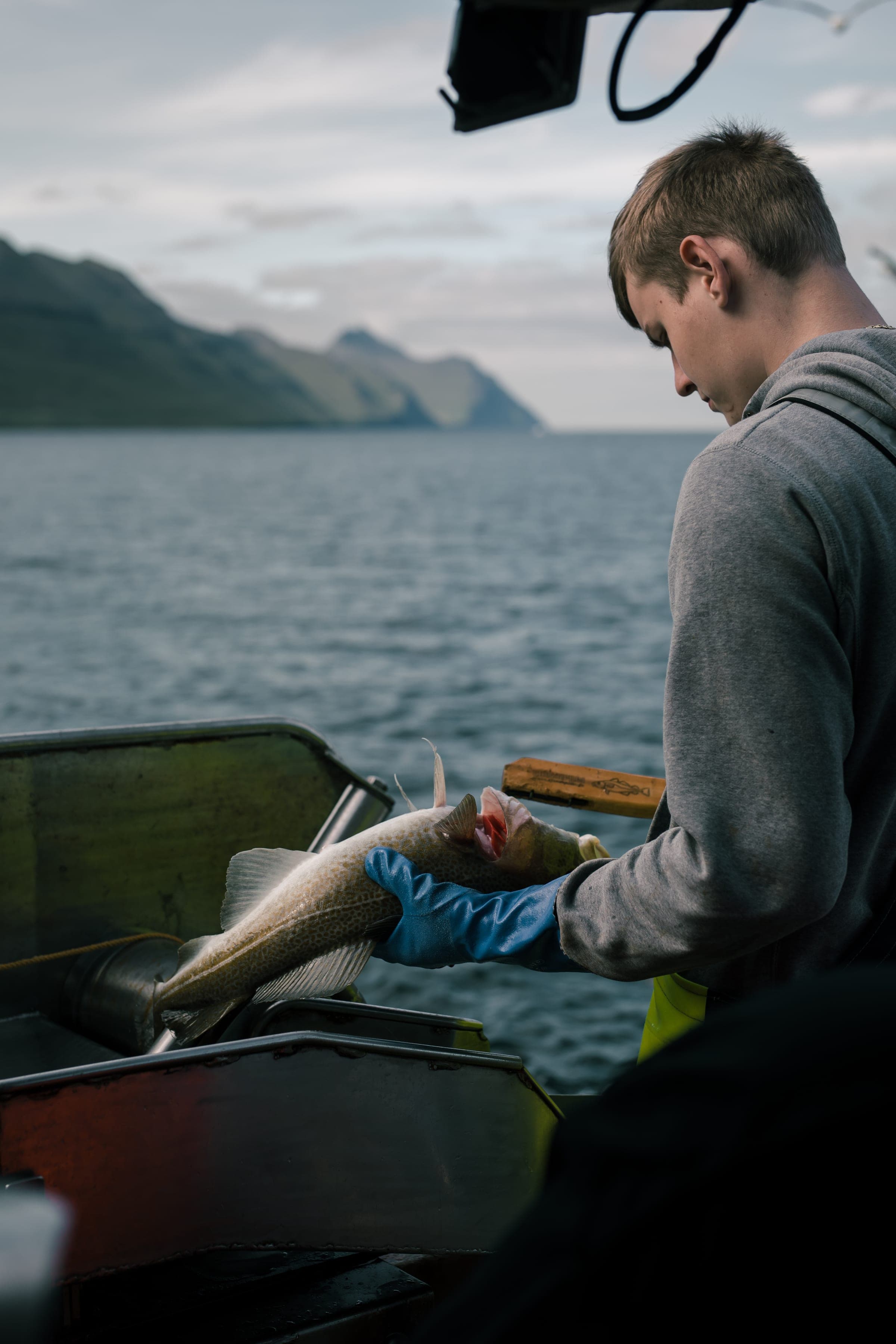
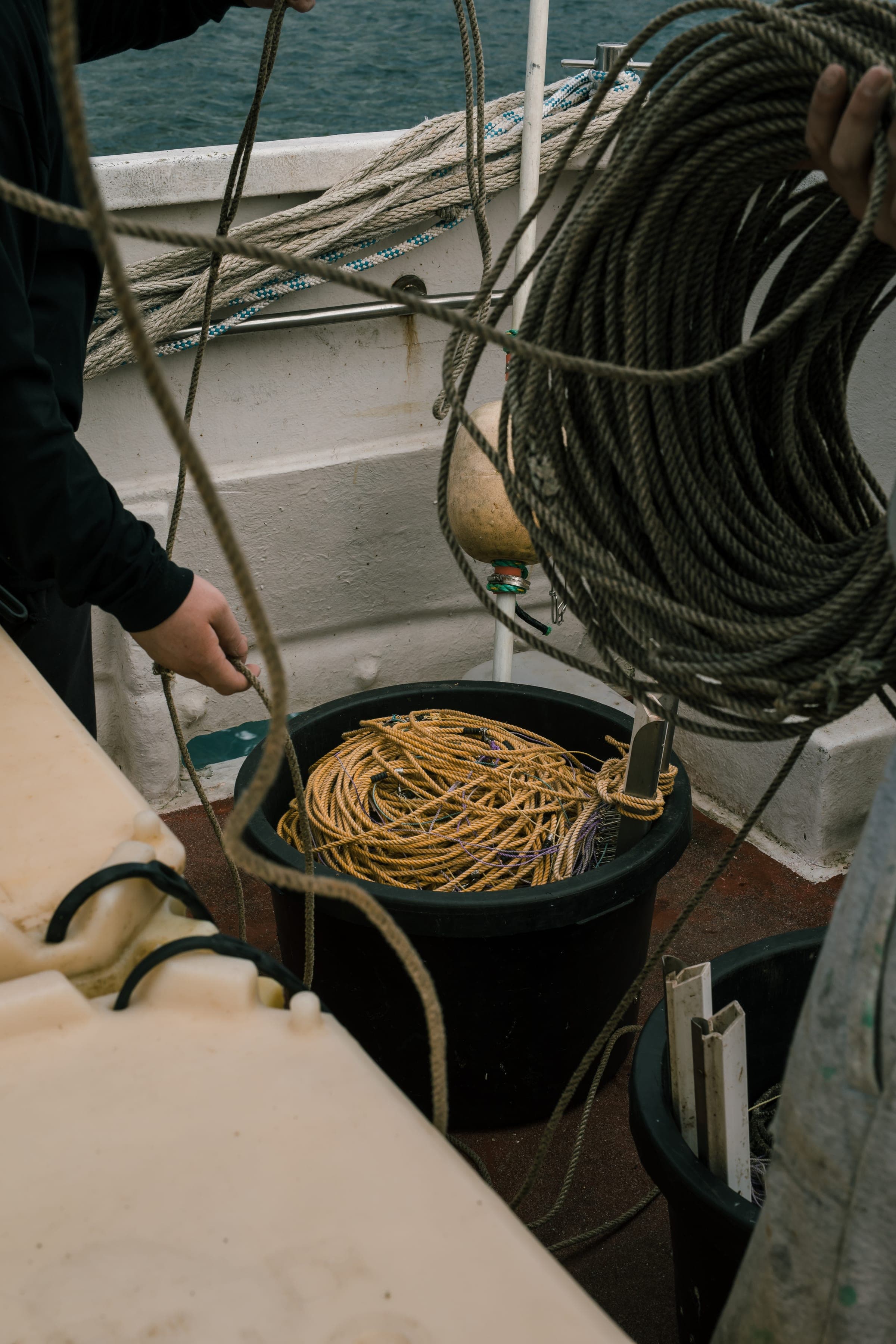
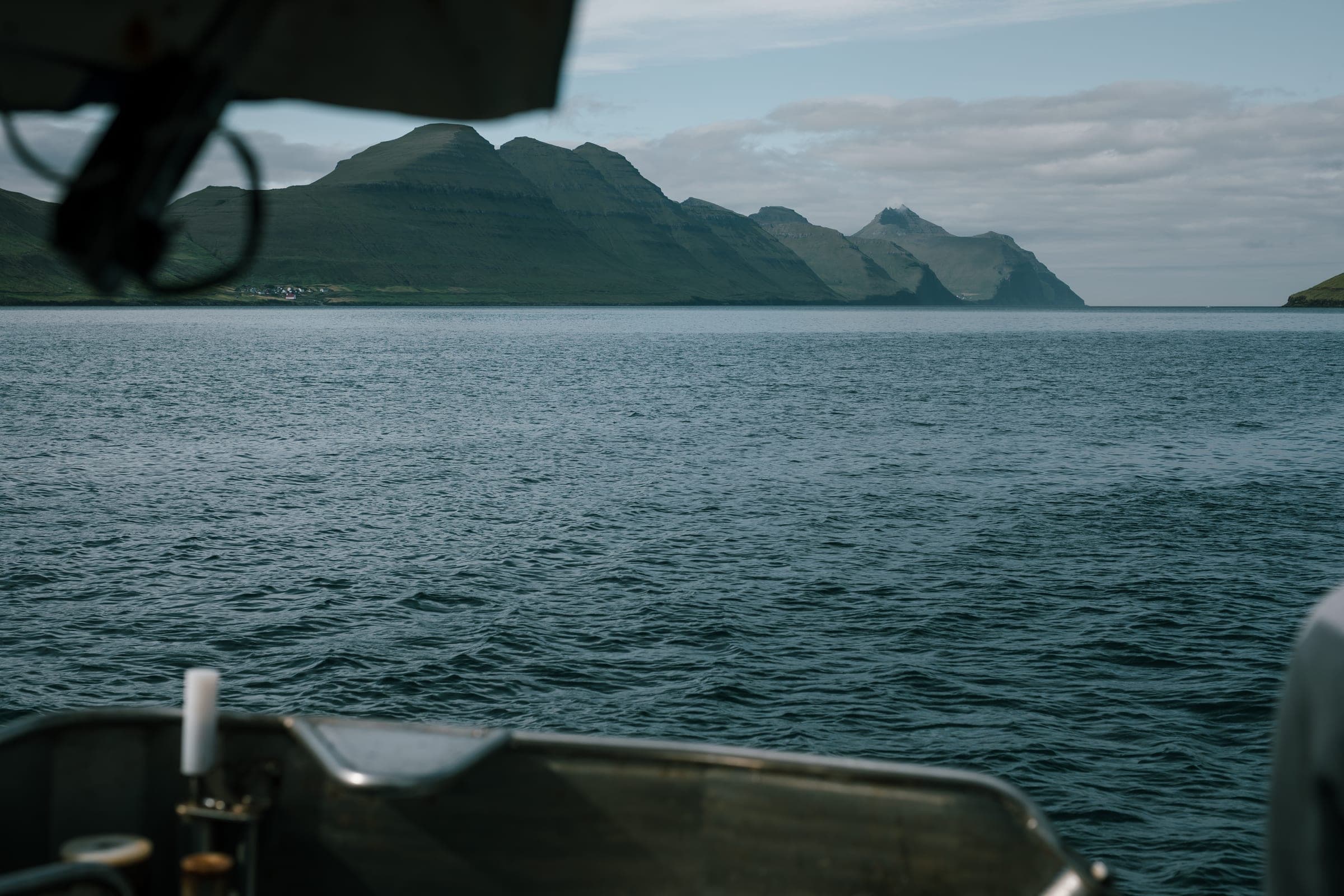
What first appears distant becomes human at close range: the textures of labour, the rhythm of crossings, and the quiet precision of daily life on the islands, where kitchens, ferries, harbours, and homes reveal a world held together by use.


These stories look at a society in transition, where community remains strong even as younger Faroese artists, thinkers, and political voices begin to redraw its horizons, testing how tradition can survive by changing rather than standing still.
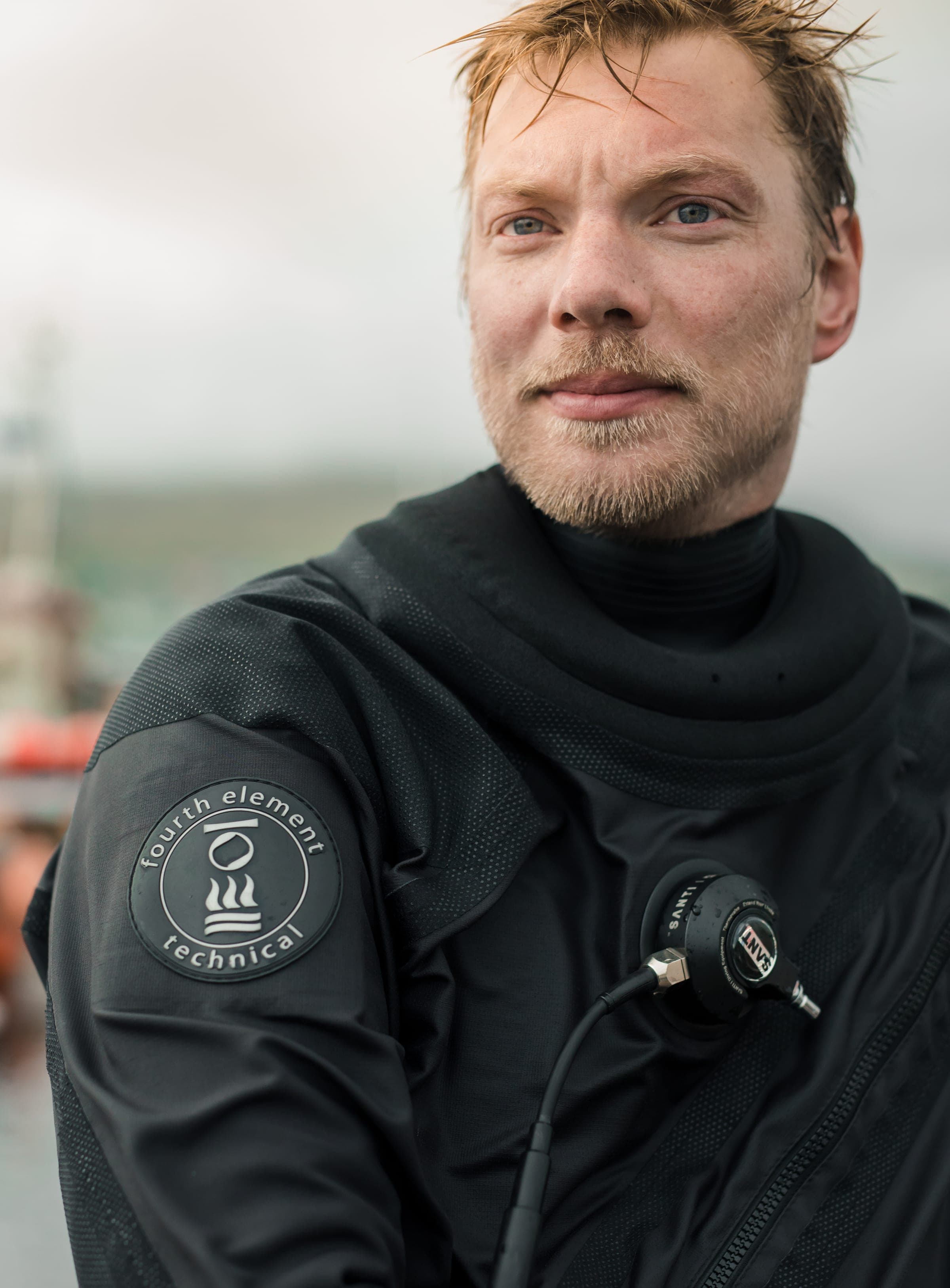
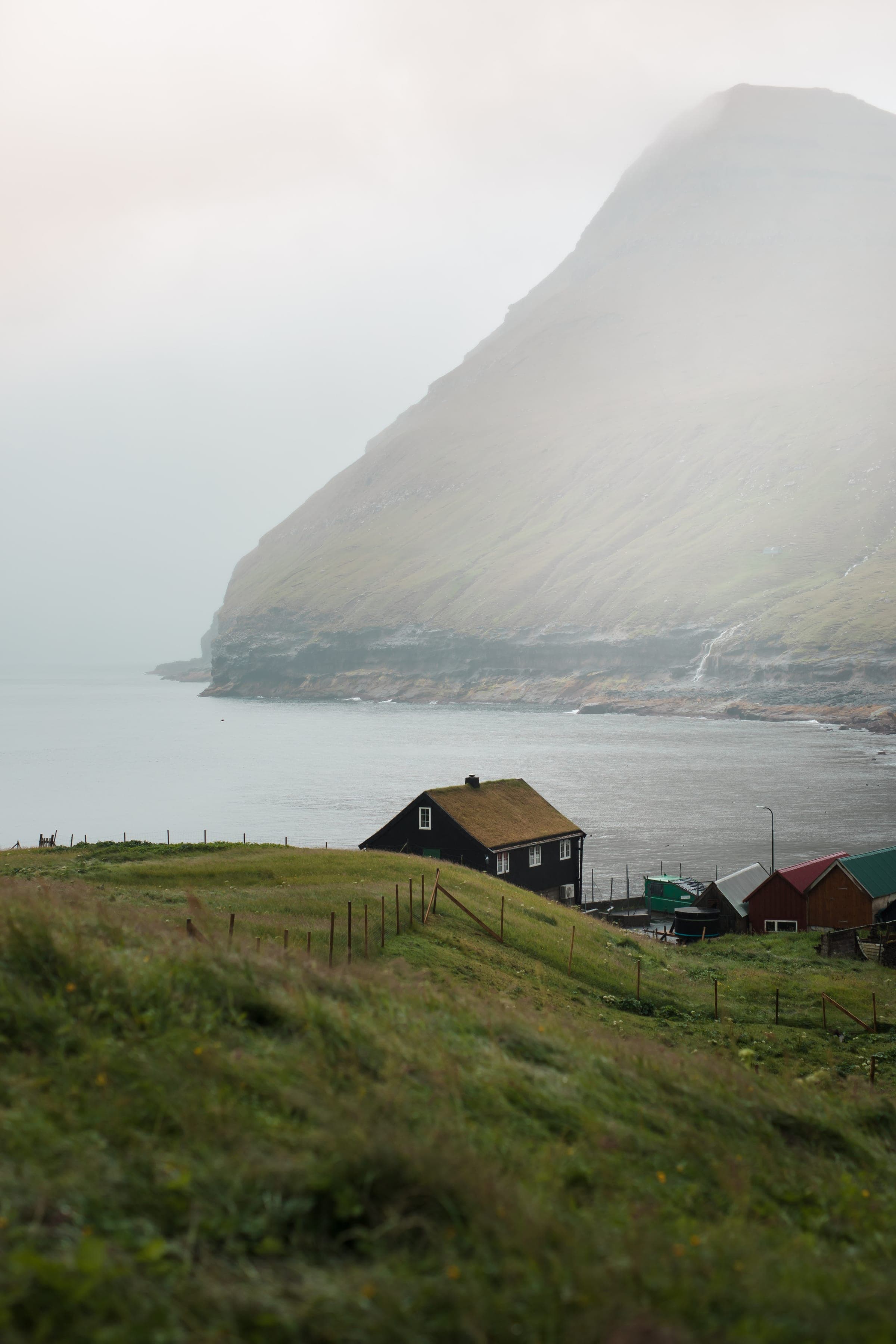

Some of the most powerful stories in this issue live where culture becomes difficult: in inherited practices, ecological limits, and traditions that resist easy judgment. We were drawn not only to what is beautiful in the Faroes, but to what is contested, asking how a community protects its identity while confronting modern pressures and a changing natural world.
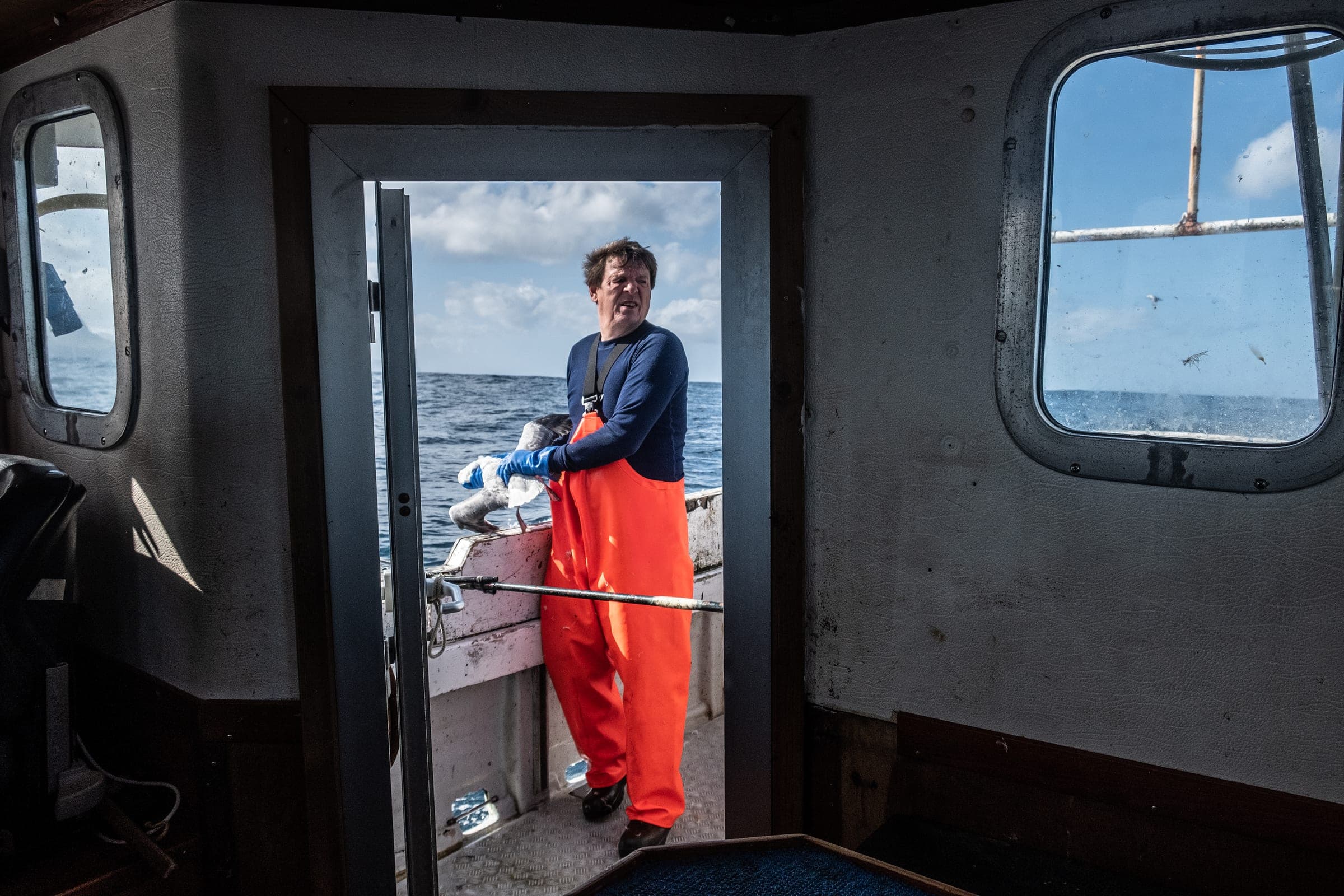
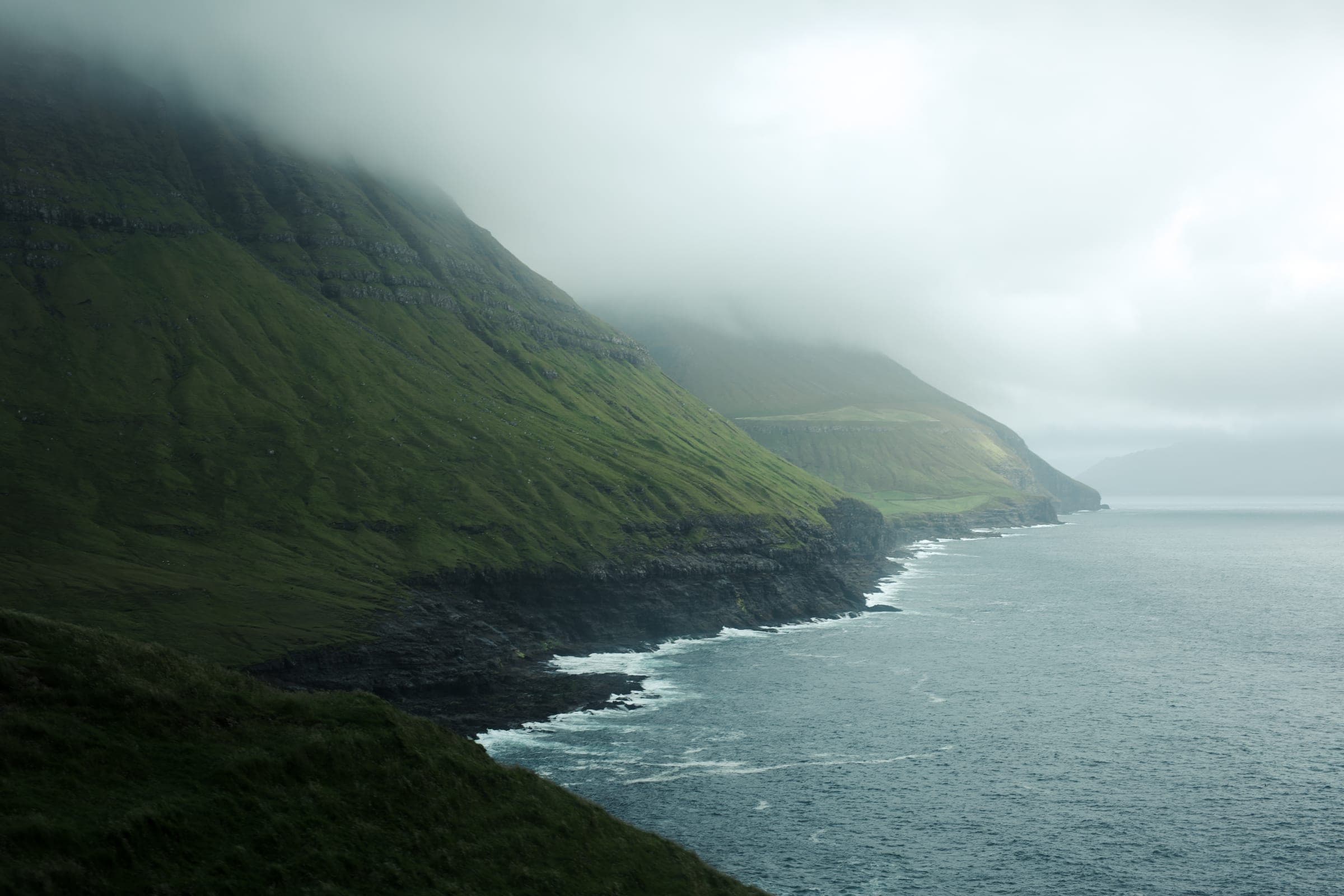
Rather than explain the Faroes, these pages gather fragments of its inner life: return, resistance, tenderness, labour, and the stubborn force of local identity, offering not a single definition of the islands, but a closer and more human way of seeing them.